

Self-help guides
These exercises are techniques for calming emotions and easing stress and anxiety, helping you or someone next to you regain calm during moments of panic or emotional overload. They do not replace professional support, but can be a first step towards feeling safer before seeking deeper support.

Exercise 01
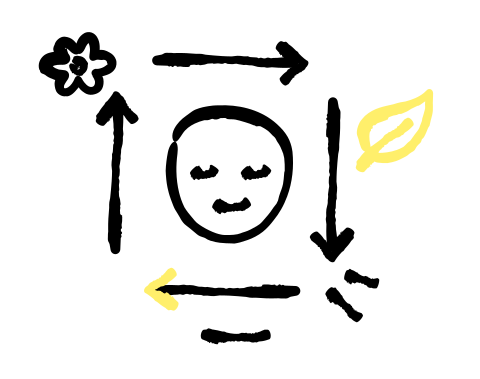
Box breathingFour even counts
A breathing technique with an even rhythm that helps settle the nervous system, slow the heartbeat and ease feelings of panic or acute anxiety. It is widely used in professions that need to stay calm under high pressure.
When to use it?
When your heart is racing, your breathing is fast, or a sense of panic is rising - for example before a difficult conversation, after receiving shocking news, before coming out to someone, or during an episode of anxiety. If you are with someone else who is panicking, you can count the rhythm aloud so they can breathe along.
Imagine a square, with each side representing 4 seconds:

Breathe in slowly through your nose, counting silently 1–2–3–4

Hold your breath, counting silently 1–2–3–4
Breathe out slowly through your mouth, counting silently 1–2–3–4

Hold with your lungs empty (do not breathe in), counting silently 1–2–3–4
Repeat this cycle about 4–6 times, or until your heartbeat slows and your mind feels clearer.
Exercise 02
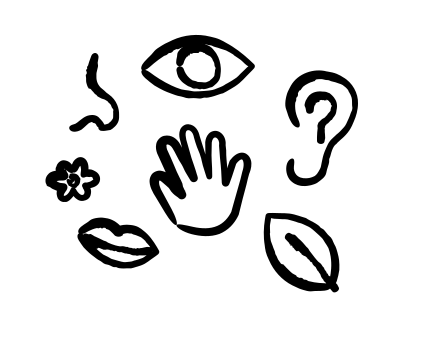
Grounding with your five senses Anchor yourself in the present: 5-4-3-2-1
A technique that brings your attention back to the present through your senses, helping to break up panicked thoughts, intrusive memories, or the feeling of being disconnected from the world around you.
5 things you see around you
4 things you can touch/feel
Notice the texture and temperature
3 things you hear
2 things you smell
1 thing you taste
If there is nothing to taste, think of one thing you like about yourself.
When to use it?
When you feel dizzy, unreal or as if you are "floating" away from your body, or when an old memory or emotion comes rushing back too strongly. It is also a very useful exercise when you are supporting someone who is panicking: you can ask them each question in turn so you can do it together.

Say it out loud or write it down if you can, as this helps the exercise work better.


Exercise 03
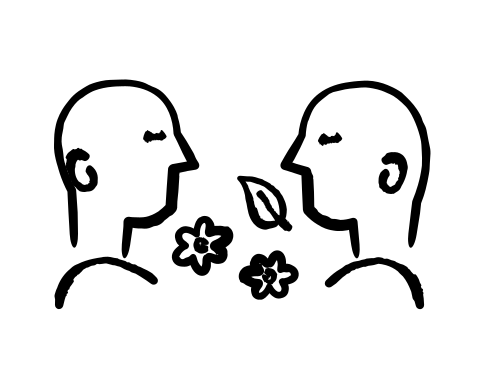
The Look, Listen, Connect model Three steps to bring you back to the present
3L is a simple psychological first aid model for when you are with another person who is in crisis. It helps you support them appropriately without needing to be a psychologist.
When to use it?
When a friend, family member or colleague has just been through a shock - for example after facing discrimination or violence, or after coming out and receiving a negative reaction, or during a moment of emotional difficulty - and you want to be there for them but are not sure what to do.
Look
Check whether the person is safe, whether there is any immediate danger in the environment, and observe how they are: are they shaking, crying, silent, panicking or dazed?
Listen
Move closer and let them know you are there. Listen without interrupting, without judging and without rushing to offer advice or "solutions". Sometimes it is enough to ask "What do you need right now?" and really listen to the answer.
Connect
Help them connect with the specific support they need: a family member they trust, practical information they need, or a professional service or helpline (see "Finding help" below).
Exercise 04
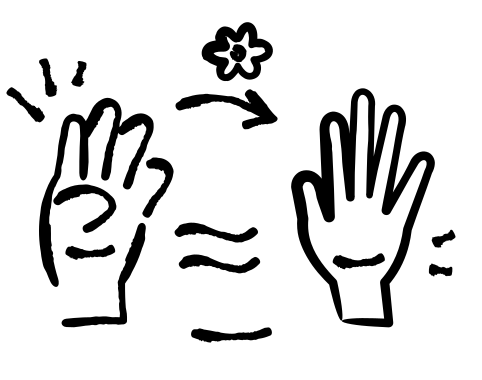
Tense, then release
A relaxation technique in which you deliberately tense, then release, each muscle group in your body in turn, helping to release built-up tension and calm the nervous system.
Sit or lie in a comfortable position, with your eyes closed if you can.
Start with your feet: tense the muscles for about 5 seconds, notice the tension, then release completely for 10 seconds, paying attention to the difference between the two states.
Gradually move up to other muscle groups: calves, thighs, stomach, hands (clench into fists), arms, shoulders (lift up towards the ears), and face (scrunch up the face).
Repeat "tense - hold - release" for each muscle group until you have worked through your whole body.
When to use it?
When your body is tense from prolonged stress (shoulders hunched, jaw clenched, hands gripped without you realising), before bed if anxiety is keeping you awake, or after a stressful day or event to help your body settle.