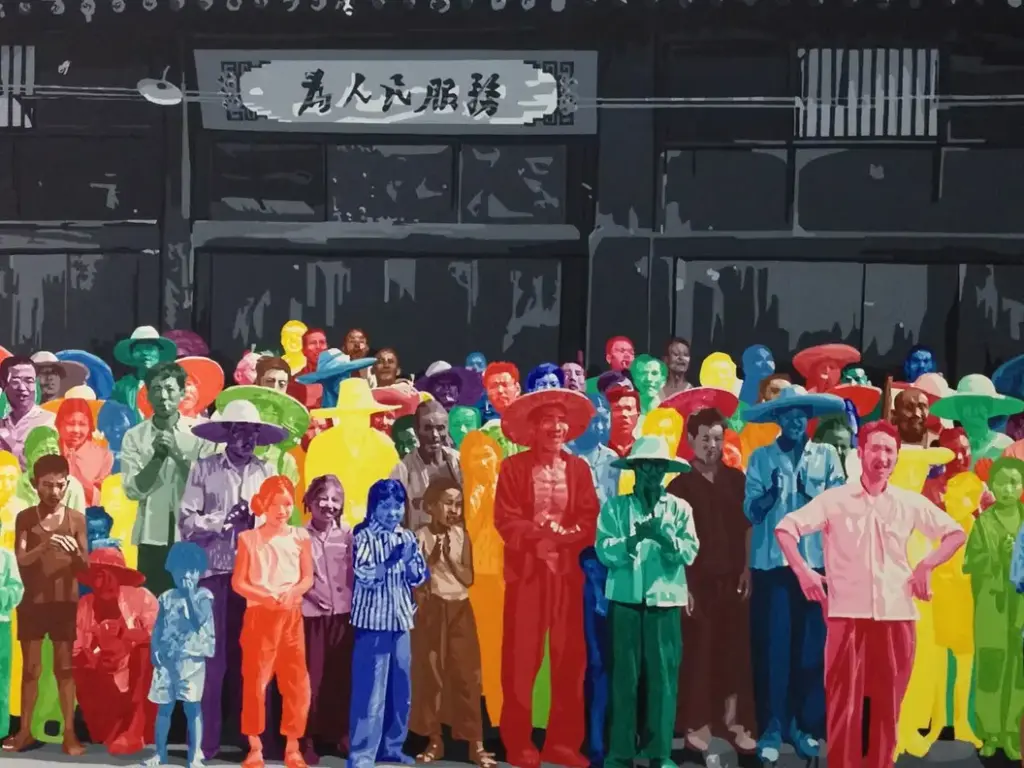
The journey beyond prejudice rarely follows a straight line. Some people begin by reading information online, some begin with a difficult conversation with a family member, and some simply do not want to go on living in silence.
This article records common reflections that many young people in the community share when they talk about that process. The content has been summarised and reworded, and is not tied to the identity or specific story of any one person.
Where prejudice often comes from
Prejudice is often learned from familiar environments: family, school, social media and phrases repeated many times without anyone checking them. Recognising a prejudice is therefore an important first step.
Many people find that prejudice affects not only the person it targets, but also limits the way the person holding it sees the world.
Small steps people often take
- Questioning things you have believed without checking them.
- Seeking out reliable sources of information and a range of views.
- Talking with a trusted person, not necessarily a family member.
- Noticing your own feelings without rushing to conclusions.
When family is the hardest part
For many young people, the hardest thing is not changing themselves, but finding a way for loved ones to understand more. There is no shared formula for this. Some people choose to share small parts at a time, some choose to wait for a suitable moment, and some decide to keep their distance to protect themselves.
What matters is being able to set your own pace. No one should be pressured to come out before they are ready.
Pride does not mean being loud. Sometimes, pride is simply living authentically as yourself.
Finding support
ICS runs open conversations and peer counselling programmes so that young people can talk in a safe space. If you need someone to talk to, email nv.gro.sci@ofni for guidance on the options available.
Moving beyond prejudice is a long process, and no one has to go through it alone.